
AUTISM & Related diagnoses


“Have you ever thought about your own experience of daily living? Consider for a moment the first half of your day and the many sensory experiences that encapsulate it... These experiences pass without us giving them any thought. They’re our norm. What if there was no comfortable norm?”

SENSORY INTEGRATION ACTIVITIES
Children on the autism spectrum experience sensory input differently. Their sensory integration is disorganized, resulting in discomfort and adverse behaviors. Though I cannot offer medical advice, I have compiled a list of potentially helpful sensory-organizing activities to be used under the guidance of your child's doctor or occupational therapist. When a child’s sensory system feels organized, they can focus on enjoying childhood.

Tactile activities that build tolerance:
Assemble a dried-bean bowl the child can freely play with as often as they like
Fill a large bowl with shaving cream the child can immerse their hands into, increasing tolerance for messy hands
Purchase a sand and water table for outdoor sensory play
Have the child help clean out the inside of a pumpkin and separate the seeds, increasing tolerance and improving fine motor skills
Play a game where the child is blindfolded and must guess diverse objects by the way they feel
Provide a sensory drawer where the child can choose from a variety of simple sensory toys when needed (spinning toys, clicking toys, putty, PlayDoh, Slinky, squishy rubber toys, blowing toys, chewy tubes—anything that provides sensory input), encouraging self-regulation
Wilbarger Brushing Protocol (*must be prescribed by an occupational therapist specifically for your child): requires brushing of the child's arms, legs, and back with a surgical brush using firm pressure, with quick swipes on the palms and soles on a regular schedule in a prescribed method specific to your child's needs

blowing activities that calm:
Have the child blow through a straw into a bowl of soapy water to create bubbles
Provide bubble bottles for outdoor fun blowing bubbles together
Hold a race by blowing pom-pom balls or feathers across the floor together through straws
Purchase the vintage-style floating ball blower toy that you use to keep a ping-pong ball suspended in the air
Invest in a pack of pinwheel party toys for children. The child can keep the toy spinning with gentle blowing for as long as they like
Provide opportunities to have your child practice blowing up balloons
Consider exploring your child’s interest in wind instruments
Large motor activities that increase focus:
Invest in a small indoor trampoline
Purchase a weighted therapy ball, like the Yuk-E Medicine Ball (it comes with numerous therapy ideas) to toss underhand with both hands back and forth for a count of ten with your child
Engage the child in running activities or take them to a local track
Play a game of hop scotch
Spin in circles together with both hands joined
Have the child swing on a swing set
Take the child swimming
Play a game of catch or kick a large kickball with your child
Provide an exercise ball to play, sit, or bounce on
Allow the child to play in a ball pit
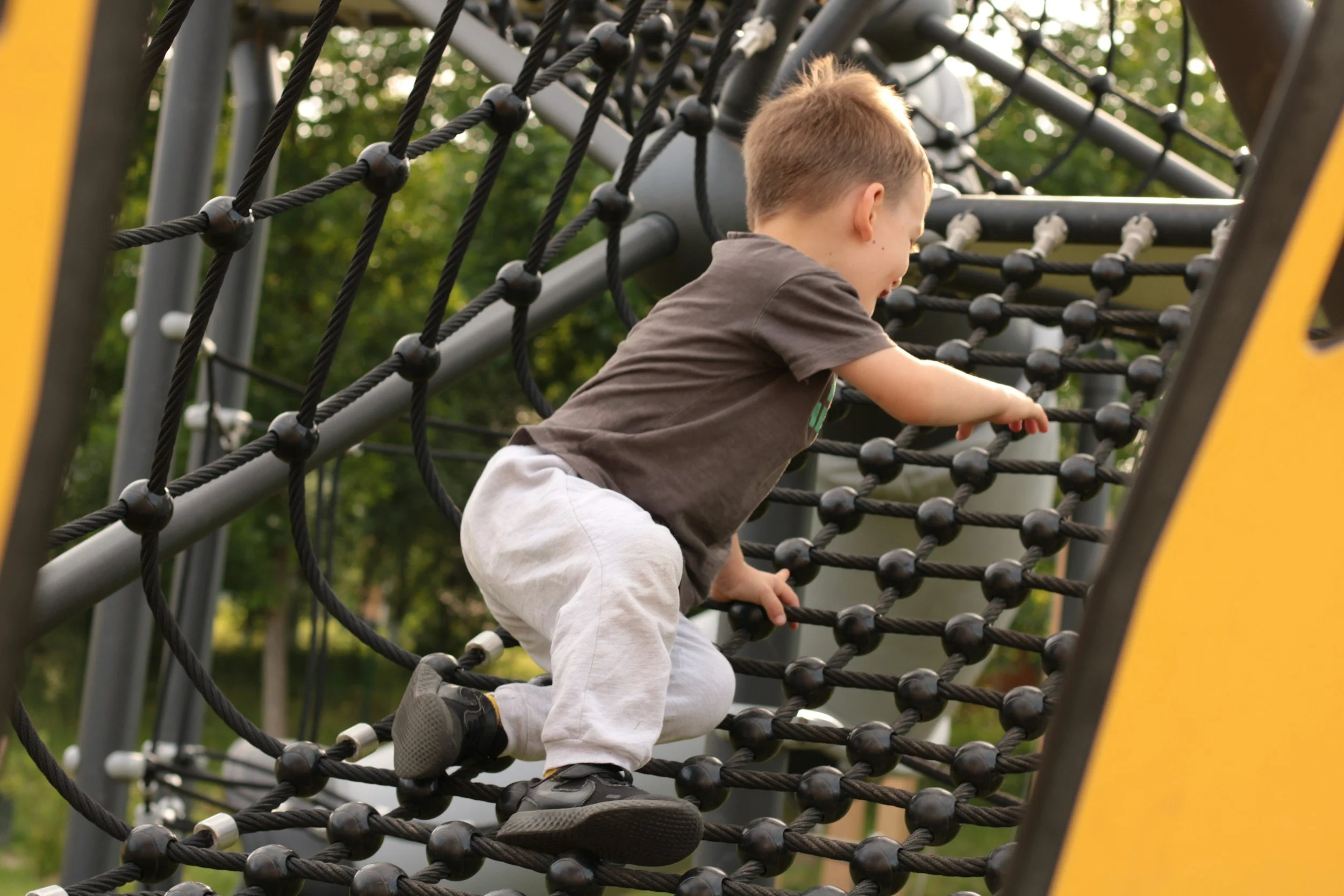
Visit a playground often where the child can climb and play
Perform joint compressions on a regular schedule (*only as prescribed by an occupational therapist for your individual child)

Comforting activities for an overwhelmed nervous system:
Create a visible daily and weekly written schedule so your child knows what to expect each day
Provide a weighted therapy blanket
Roll a child up tightly in a blanket, like a burrito, for a few minutes
Lay on a child's back (if your body weight is tolerable) for the time it takes the child to verbally list 20 different types of sandwiches
Hug the child tightly for a few minutes, rubbing their back vigorously
Pick the child up and spin together in a circle if the child is small and is calmed by spinning
Provide a quiet, secluded space for the child to retreat to when overwhelmed (a blanket fort or pop-up tent)
Provide a large beanbag chair for the child to retreat to in a quiet corner to read or rest in
Purchase an inflatable wobble cushion for sensory input in both sitting and standing to help the child focus on a task
Use red graph paper for organizing math problems (red is calming while white paper is alerting)
Turn on a sound machine with white noise for sleeping
Have a variety of crunchy foods available: pretzels, carrots, celery, apples, crisp crackers, crusty breads, Cheerios (choose alternatives if your child is gluten-free)
Provide chewy foods (chewing gum for older children, fruit snacks or fruit leather roll-ups, string cheese) or look for Chewelry options (wearable chewy jewelry)
Make available plenty of fruits, vegetables, whole grains, and lean meats, as well as dairy products like yogurt (alternatives are available if the child is dairy-free)
Allow sour foods as tolerated (sour candy in moderation)
Offer a cool drink with a straw if the child appears flushed
Fine motor activities:
Have the child regularly grasp, open, and close a clothespin repeatedly (create a game of racing to pick up buttons or pompom balls)
Practice using lace-up cards with the child
Practice shoe tying early and often
Handwriting Without Tears is an excellent handwriting program created by an occupational therapist if you need help with your child's handwriting
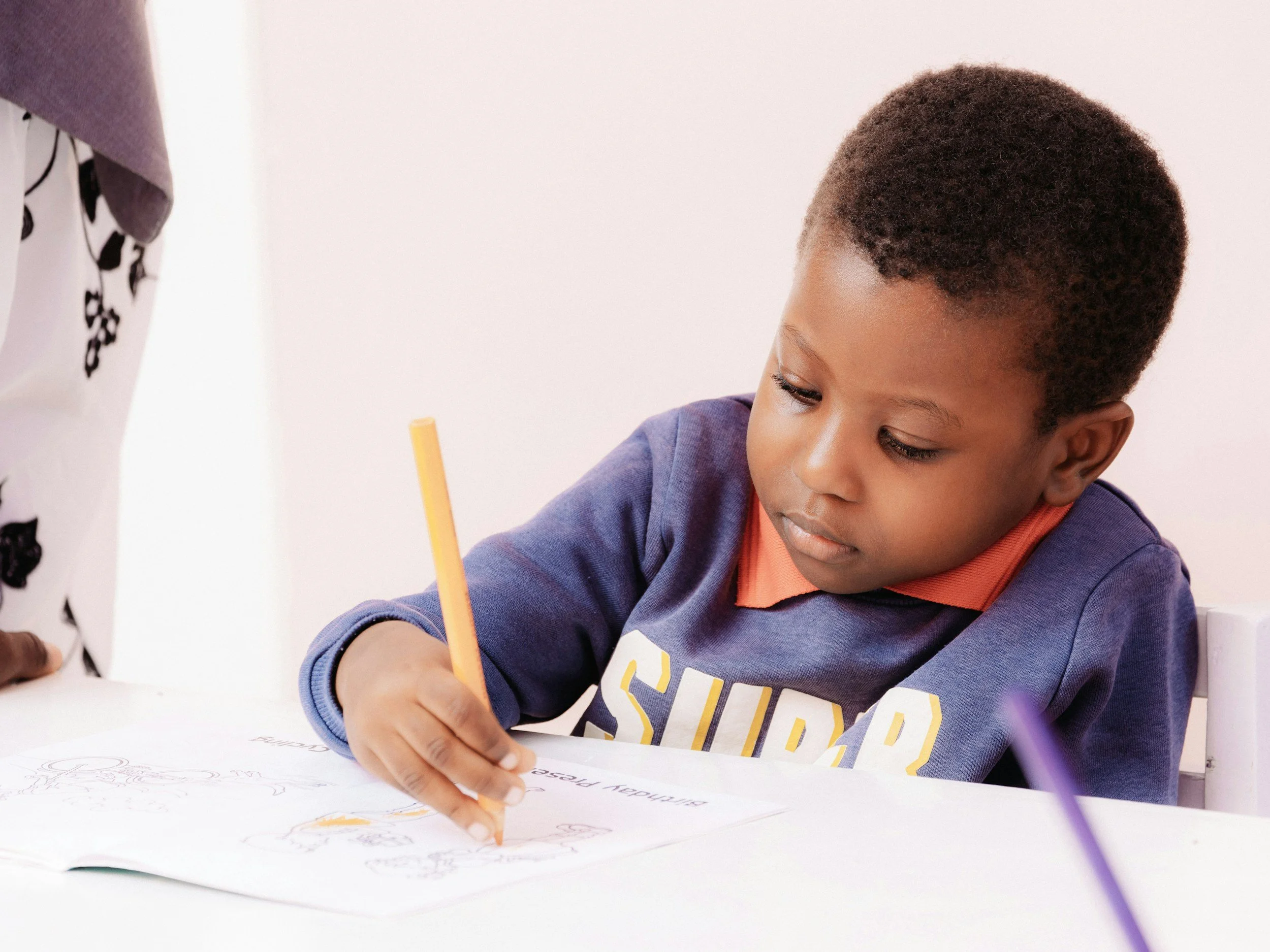
Provide pencil grips
Offer sensory putty for fine motor strengthening
String beads onto pipe cleaners to create ornaments or bracelets
Play games like Pick Up Sticks, Let’s Go Fishin’, and Perfection
Create any craft project requiring fine motor skills
Practice cooking with your child, incorporating tasks using various cooking utensils
Have the child try using a handheld can opener
suggestions to decrease sound sensitivity:
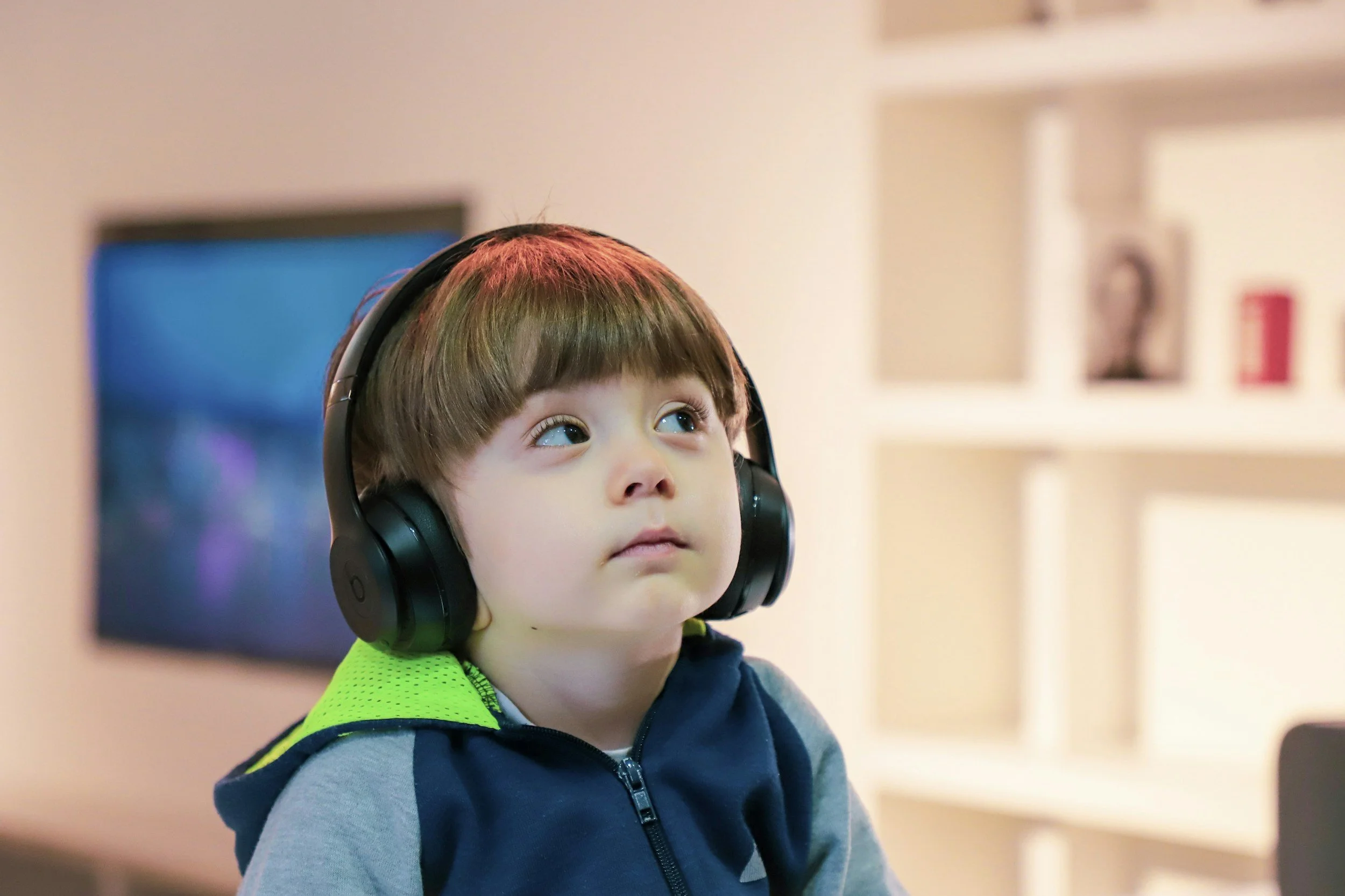
Invest in noise canceling headphones for your child to wear when they cannot avoid a noisy environment
Alternatively, use foam earplugs in loud environments
Ask your child's occupational therapist about the Therapeutic Listening program. It is a prescription program that incorporates music with intentional sound distortions over a period of weeks that can permanently resolve the child's inability to tolerate loud sounds

“The activities that are the easiest, cheapest, and most fun to do—such as singing, playing games, reading, storytelling, and just talking and listening—are also the best for child development.”
social skills training
Children on the autism spectrum struggle with social understanding. This lack of skill is often mistaken for a lack of interest in having friends. Nothing could be further from the truth! But their social skills don't develop as naturally as their typical peers. These children need positive peer social interactions, effective social skills training, and encouragement. With the right help, they have potential to be wonderful friends!
Social skills groups are usually led by a speech and language therapist who develops individualized learning goals for each child. Within the group setting, they teach children how to: properly interpret facial expressions, develop conversational skills, play games, take turns, demonstrate encouragement, and show sensitivity to others' feelings. Most importantly, a social skills group provides a safe environment to make mistakes that allow a child to develop skills that will lay a foundation for friendships throughout life. Ask your child's pediatrician about a social skills group near you once your child’s sensory integration has improved.

“The only way to have a friend is to be one.”

social skills activities
Autistic children need oversight in early social interactions. Parents should plan social scenarios for success. This requires time-limited, structured activities. Typical children can be left to develop their own fun with friends. A child with autism needs to know what to expect ahead of time. The who, what, when, where, why, and how should be discussed beforehand so the child is equipped to do well. Here are a few task-focused social activity ideas that may aid success with a friend.
Meet for an organized scavenger hunt where children work together
Invite a friend over for a guided parallel project or a planned craft activity
Host a play date for pre-planned activities like lunch and a board game
Invite a friend for a shopping trip to choose ingredients for make-your-own pizza or an ice cream sundae bar
Set up a structured outdoor game with a common goal like working together to build a fort
Oversee a cooking date, like baking and decorating cookies
Visit the zoo or a science, history, or art museum
Participate in a community art class together, like painting or ceramics
Visit a pumpkin patch and carve your pumpkins together
Plan a lunch date and trip to the pool
Arrange a play date where children have a mock restaurant and create menus with real or play food, and play money. Let each take turns as guest and server
Regularly practice different social scenarios with your child as if you were a peer to prepare them for real interactions
Purchase a set of conversation cards for kids to aid in teaching your child social-emotional and conversational skills
Make a daily project of prompting your child to come up with ideas about specific ways to be a good friend. Write their ideas on a growing poster board
Motivate your child to use their ideas by implementing a weekly sticker chart they can turn in for a reward

REsources
Autism & Sensory Processing:
101 Games and Activities for Children with Autism, Asperger’s, and Sensory Processing Disorders by Tara Delaney, M.S., OTR
1001 Great Ideas for Teaching & Raising Children with Autism by Ellen Notbohm and Veronica Zysk
Autism & Adolescence: The Way I See It by Dr. Temple Grandin
Autism & Education: The Way I See It by Dr. Temple Grandin
Autism, Sensory & Behavior: The Way I See It by Dr. Temple Grandin
The Autistic Brain: Thinking Across the Spectrum by Dr. Temple Grandin
(* I have listed several books by Dr. Temple Grandin above. She has written many others you may wish to read. She writes from the unique perspective of one with an autism diagnosis. Her remarkable personal story is told in the film, Temple Grandin.)
The Out-of-Sync Child: Recognizing and Coping with Sensory Processing Disorder by Carol Stock Kranowitz, M.A.
Raising a Sensory Smart Child: The Definitive Handbook for Helping Your Child with Sensory Processing Issues by Lindsey Biel, M.A., OTR/L and Nancy Peske
Uniquely Human: A Different Way of Seeing Autism by Barry M. Prizant, Ph.D.
Related Anxiety & Obsessive Compulsive Disorder:
Anxiety-Free Kids: An Interactive Guide for Parents and Children by Bonnie Zucker, Psy.D.
The Anxiety & Worry Workbook: The Cognitive Behavioral Solution by David A. Clark, Ph.D. and Aaron T. Beck, MD
I’m Really Scared… What Can I Do? A Workbook for Children Experiencing Anxiety, Fears, Panic, Phobias, and Obsessive Compulsive Disorder by David E. Miller, Ph.D., Psychologist
STOP OBSESSING! How to Overcome Your Obsessions and Compulsions by Edna B. Foa, Ph.D. and Reid Wilson, Ph.D.
Talking Back to OCD: The Program That Helps Kids and Teens Say “No Way” — and Parents Say “Way to Go” by John S. March, MD with Christine M. Benton
Related Attention Deficit Hyperactivity Disorder:
The ADHD Parenting Guide for Boys: From Toddlers to Teens Discover How to Respond Appropriately to Different Behavioral Situationsby Richard Bass
The ADHD Parenting Guide for Girls: From Toddlers to Teens Discover How to Respond Appropriately to Different Behavioral Situations by Richard Bass
How to Parent Children with ADHD: 48 Techniques & Strategies to Understand and Support Your Neurodivergent Child by Krissa Laine
Taking Charge of ADHD: The Complete, Authoritative Guide for Parents by Russell A. Barkley, Ph.D.
Thriving with ADHD Workbook for Kids: 60 Fun Activities to Help Children Self-Regulate, Focus, and Succeed by Kelli Miller, LCSW, MSW